
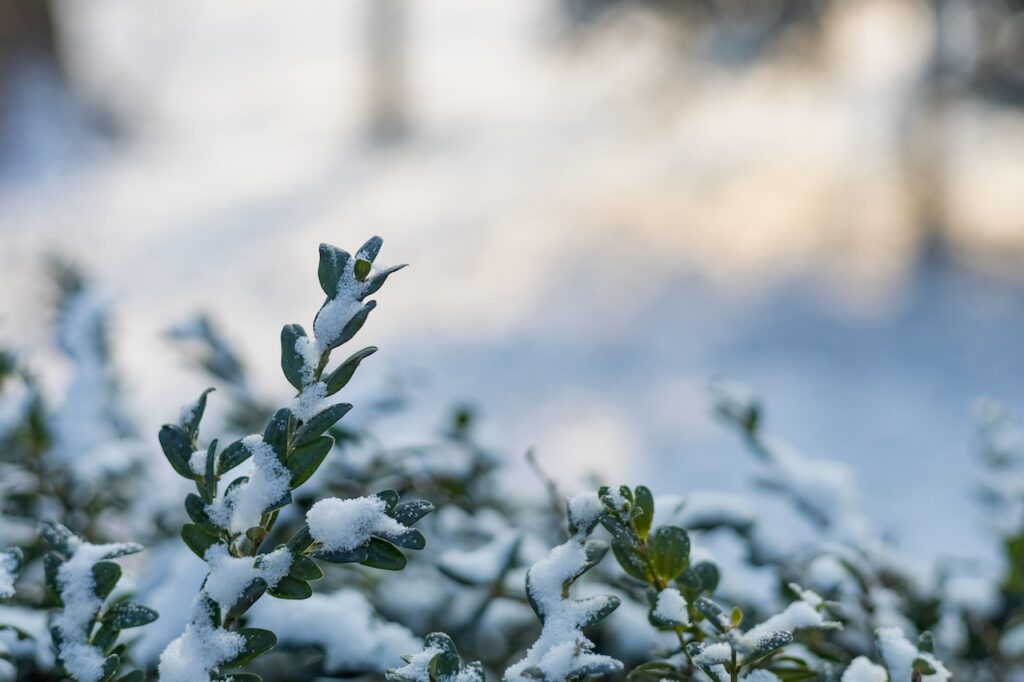
Choose hardy plants and prioritize mulching, watering, and wind protection to keep a healthy garden come spring.
Winter tests even the most dedicated gardeners. Between freezing temperatures, surprise frosts, heavy snow, and biting winds, your garden can feel like it’s under attack the moment the temperature drops.
With a bit of planning and some simple protective steps, you can keep your plants thriving instead of just surviving. Let’s dig into how to give your outdoor winter plants the best shot at making it through to spring.
1. Know Which Outdoor Plants Can Survive Winter
Not all plants are built the same when it comes to handling cold weather. Hardy perennials come back year after year and can usually tolerate a frost or two without much fuss. Evergreens keep their leaves all year and are generally tougher, while annuals typically last only one growing season and won’t survive a hard freeze. Cold-sensitive plants, on the other hand, need extra TLC (or a cozy spot indoors) once temperatures start dropping.
Before you decide what stays outside and what needs extra protection, it’s worth checking your USDA hardiness zone. This zone tells you the average minimum temperature in your area, which is super helpful for figuring out which plants can realistically handle your winters.
Here’s a quick way to sort out outdoor winter plants:
- Can Usually Stay Outside: Hardy perennials and most evergreens suited to your zone
- May Need Extra Protection: Young shrubs, tender perennials, and anything newly planted
- Should Come Indoors If Possible: Tropical plants, annuals, and cold-sensitive varieties
Note: container plants are often more vulnerable to freezing temperatures than those in the ground, since their roots aren’t insulated by the earth the same way. Keep an extra close eye on your potted friends!
2. Protect Plants From Freezing Temperatures
When a hard freeze is in the forecast, your outdoor winter plants need a little extra armor. The goal is to trap heat near the plant without smothering it or causing moisture buildup that can lead to rot. Here’s what helps most:
- Cover vulnerable plants with frost blankets, burlap, or breathable plant covers
- Bring sensitive potted plants indoors or into a protected area when possible
- Avoid using plastic directly against plant leaves, since it can trap moisture and actually make frost damage worse
- Move containers away from exposed, windy areas where cold air tends to settle
3. Add Mulch to Insulate Plant Roots
Mulch is one of the easiest (and most underrated) ways to help your outdoor winter plants stay cozy. It’s basically a blanket for the soil, regulating temperature swings and helping roots stay insulated even when the air above ground gets brutally cold. Great mulch options include shredded leaves, bark, straw, or wood chips.
When applying mulch, spread a layer about two to four inches deep around the base of your plants. Just be sure to keep it a little away from stems and trunks. Piling mulch directly against them can trap moisture and invite rot or pests, which is the opposite of what you want!
4. Water Outdoor Plants Properly During Winter
It’s easy to assume plants don’t need water once the weather turns cold, but that’s not quite true. Outdoor winter plants still need moisture to stay healthy, especially evergreens that continue losing water through their leaves even in colder months.
If conditions are dry and the ground hasn’t frozen yet, go ahead and water your plants before a hard freeze sets in. Moist soil actually holds heat better than dry soil, which can help protect roots from sudden temperature drops. Just be careful not to overdo it. Soggy, waterlogged soil can be just as harmful as drought, so aim for consistent, moderate moisture rather than frequent heavy watering.
5. Protect Potted Plants During Winter
Container plants deserve a little extra attention, since they’re more exposed to the cold than plants rooted directly in the ground. A few simple moves can make a big difference:
- Move containers to sheltered locations near walls or under covered areas
- Use frost-resistant containers when possible, since some materials crack in freezing temperatures
- Wrap pots with burlap or insulating materials to give roots an added layer of protection
6. Protect Plants From Winter Wind and Snow
Wind can be just as damaging as cold temperatures, especially for young trees and delicate shrubs that haven’t fully established their root systems yet. Setting up burlap screens around vulnerable plants creates a buffer that blocks harsh gusts and reduces moisture loss from the leaves.
If you’ve got young trees or tender shrubs in your yard, give them a little extra reinforcement. Staking and wrapping them can go a long way toward preventing wind damage and helping them bounce back strong once spring arrives.
7. Ask Stoeckig for Professional Tips
Keeping your outdoor winter plants protected takes some high effort. At Stoeckig Landscape Group, we understand the unique challenges Georgia’s changing seasons bring to your garden, and we’re here to help your landscape look its best no matter what the weather throws at it!
Whether you need a seasonal maintenance plan, help selecting winter-hardy plants for your property, or a full landscape design that’s built to handle every season with ease, our team is ready to lend a hand. Reach out to Stoeckig Landscape Group today!